
China Top 10 Stainless Steel Buttons Suppliers
China’s stainless steel button industry combines large-scale production with detailed finishing work. The best suppliers do more than press metal discs. They control material grades, mold accuracy, plating quality, and inspection records. Small differences matter. A button can look bright yet scratch easily after repeated washing.
Materials engineer and fastener consultant Dr. Peter J. H. Smith explains, “Corrosion resistance is a design choice, not a finishing trick.” This principle is especially useful when evaluating Stainless Steel Buttons for uniforms, denim, bags, footwear, and premium garments. Buyers should check whether suppliers use 304 or 316 stainless steel, rather than accepting vague descriptions. They should also ask for salt-spray results, nickel-release information, dimensional tolerances, and production samples.
This guide reviews China’s top 10 Stainless Steel Buttons suppliers through practical purchasing criteria. These include factory experience, tooling capability, minimum order quantities, customization services, quality control, export support, and delivery consistency. Supplier reputation matters, but it should not replace direct verification. A polished website proves little.
Look closely.
Request close-up images of edges, shanks, engraving, and coating transitions. Test several samples after washing, bending, and abrasion. Some suppliers may offer impressive samples but weaker mass production. That risk deserves attention. Rankings can also change as factories expand, change equipment, or serve different markets. Therefore, this overview should support supplier screening, not make the final purchasing decision. A responsible buyer compares evidence, communicates technical requirements clearly, and confirms every critical detail before placing a large order.
China’s Stainless Steel Button Manufacturing Industry
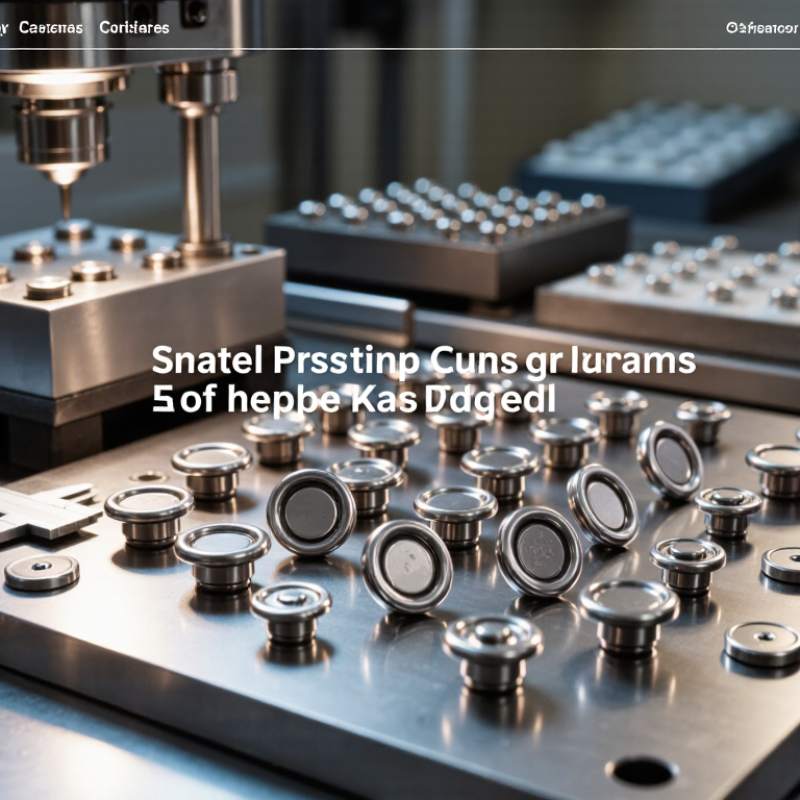
China’s stainless steel button industry combines metal forming, surface finishing, and large-scale quality control. Manufacturers commonly use grades such as 304 stainless steel for balanced corrosion resistance and cost. Some applications require 316 stainless steel, especially in humid or chemically exposed environments. Material certificates help buyers verify composition and production batches.
The process usually begins with coil cutting, stamping, and deep drawing. Edges are then polished to reduce sharp points and improve handling comfort. Finishes may include mirror polishing, brushing, laser marking, or controlled coloring. Small details matter. Button size, shank strength, hole alignment, and surface consistency directly affect garment performance. Experienced suppliers test salt spray resistance, pull strength, dimensional tolerance, and coating adhesion. Yet testing methods can differ between factories, so buyers should request clear inspection standards before production.
China’s supply network supports both standard orders and customized designs. Digital drawings, sample approval, and production records improve communication across long distances. However, customization may increase tooling costs and extend delivery schedules. No factory gets every batch perfect. Even reliable production lines can show minor shade or polishing differences. For this reason, independent inspections and retained samples remain practical safeguards. Buyers should also review packaging quality, traceability documents, and after-sales communication. A dependable supplier is not defined only by low pricing, but by repeatable workmanship and honest responses when problems appear.

Key Criteria for Evaluating Chinese Button Suppliers
China Top 10 Stainless Steel Buttons Suppliers
Evaluating Chinese button suppliers requires more than comparing prices. I examine stainless steel grades, surface finish, dimensional tolerance, and production consistency. A reliable supplier should provide material records, clear drawings, and recent inspection reports. Ask for samples from different production batches. One sample proves little.
Factory experience matters. During supplier reviews, I look for clean work areas, calibrated measuring tools, and documented quality checks. I also inspect stamping edges, hole alignment, plating adhesion, and corrosion resistance. Small defects can damage fabric or create returns. Independent laboratory testing adds confidence, especially for buttons used on children’s clothing or export garments.
Communication reveals practical ability. The supplier should confirm minimum order quantities, tooling costs, sample schedules, and realistic lead times. Written answers are useful, but production evidence matters more. Request photographs during manufacturing and a pre-shipment inspection before final payment. Traceable batch numbers help identify problems later.
Be careful with impressive factory presentations. They may show equipment that is rarely used. I once treated a polished sample as proof of stable production, and that judgment was too optimistic. A stronger evaluation compares repeated samples, checks packaging protection, and reviews how the supplier handles complaints. Fast replies are helpful, but honest limitations are more valuable.
Leading Stainless Steel Button Suppliers in China
China Top 10 Stainless Steel Buttons Suppliers
Leading stainless steel button suppliers in China benefit from a mature metalworking network and broad export capacity. The International Stainless Steel Forum reported 58.4 million tonnes of global stainless steel production in 2023. China produced approximately 36.7 million tonnes, representing nearly 63% of worldwide output. This scale supports stable material access, flexible tooling, and competitive production for garment accessories.
A reliable supplier should provide clear steel grades, dimensional tolerances, and surface-finish records. Common choices include 304 and 316 stainless steel. However, grade names alone do not prove durability. Ask for mill certificates, nickel-release testing, salt-spray results, and batch traceability. Button samples should show clean edges, consistent polishing, secure shanks, and no visible pits. The wrong plating process can still damage a good base metal. That detail is often overlooked.
Tips: Compare at least three samples before choosing a top-ten supplier. Check the same button after washing, rubbing, and humidity exposure. Request inspection photos with a ruler beside the product. Also review packaging strength, lead time, and replacement terms. A low quotation is not automatically efficient. In practice, inconsistent sizing may create higher sewing and rejection costs. Supplier rankings should therefore consider verified quality, production experience, testing capability, and communication reliability, not price alone.
Product Types, Customization, and Manufacturing Capabilities
China Top 10 Stainless Steel Buttons Suppliers
Product Types, Customization, and Manufacturing Capabilities
China’s leading stainless steel button suppliers usually offer snap buttons, shank buttons, rivet buttons, and four-part fasteners. Their product ranges often cover 304 and 316 stainless steel, with thicknesses from 0.4 to 1.2 millimeters. World Stainless reported global crude stainless steel production of about 58.4 million tonnes in 2023. This scale supports flexible material sourcing, but volume alone cannot prove button quality.
Customization separates capable factories from simple trading companies. Buyers should check mold development, laser marking, deep embossing, electroplating, brushing, and color matching. A useful sample request includes a 15-millimeter button, logo depth, surface finish, and pull-test requirement. Some factories can combine stamping and automatic assembly lines. Others still depend heavily on manual inspection. That difference affects consistency.
Manufacturing capability also means traceability. Reliable suppliers should provide material certificates, dimensional inspection records, and batch identification. Salt-spray testing can follow ISO 9227, while repeated opening tests help assess real garment use. Grand View Research’s stainless steel market analysis forecasts continued market growth through 2030, increasing pressure for efficient and customized production. Yet a polished catalog is not evidence. I would question any supplier that avoids factory videos, sample testing, or clear defect limits. A low quote may hide tooling fees, unstable plating, or weak spring performance.
Quality Standards, Pricing, and Export Services
China Top 10 Stainless Steel Buttons Suppliers
When comparing China’s top ten stainless steel button suppliers, quality starts with traceable material. Ask for the steel grade, thickness, surface finish, and production batch records. Common options include 304 and 316 stainless steel, but the right choice depends on moisture exposure and garment use. Reliable suppliers should provide dimensional checks, plating or polishing details, and inspection reports from each shipment. A practical sample review should examine snap strength, edge smoothness, color consistency, and corrosion resistance. Small defects matter.
Pricing usually depends on material grade, button size, tooling, finish, order quantity, and packaging. A low unit price may exclude mold fees, sample charges, or export packing. Request a written quotation with clear Incoterms and payment terms. Compare landed cost, not only factory price. For example, a polished 15 mm button with custom tooling may cost more initially, yet reduce rejection rates during production. My experience is that the cheapest offer is rarely the simplest purchase.
Export service also affects supplier reliability. Strong partners can arrange pre-production samples, in-process inspections, carton markings, commercial invoices, packing lists, and shipping coordination. Confirm their ability to handle your destination’s labeling and material documentation requirements. Ask about lead time during peak seasons. Delays happen. A supplier that reports problems early is more dependable than one promising an unrealistic schedule. Still, documents should be checked carefully, because a minor quantity error can slow customs clearance. Regular communication, photo evidence, and an agreed inspection standard create a more accountable buying process.
