Top 10 Collaborative Robot Palletizers You Need to Know?
The demand for automation in the manufacturing sector is at an all-time high. Collaborative Robot Palletizers are becoming essential in factories and warehouses. According to a report by MarketsandMarkets, the global collaborative robotics market is projected to grow from $1.1 billion in 2020 to $12.3 billion by 2026, reflecting a staggering increase in interest for these technologies.
Collaborative Robot Palletizers enhance productivity while ensuring safety in the workplace. They efficiently handle palletizing tasks, which can be mundane and physically demanding. Data shows that implementing these systems can reduce labor costs by up to 35%. However, not all collaborative robots are created equal. Some lack the versatility needed for diverse applications, requiring companies to carefully evaluate their options.
Investing in the right technology can be challenging. Businesses may experience initial deployment hurdles, such as integration with existing systems. Nonetheless, with the right support, these robots can transform operations significantly. As more companies begin to recognize the potential of Collaborative Robot Palletizers, understanding the top models available can provide a competitive edge.
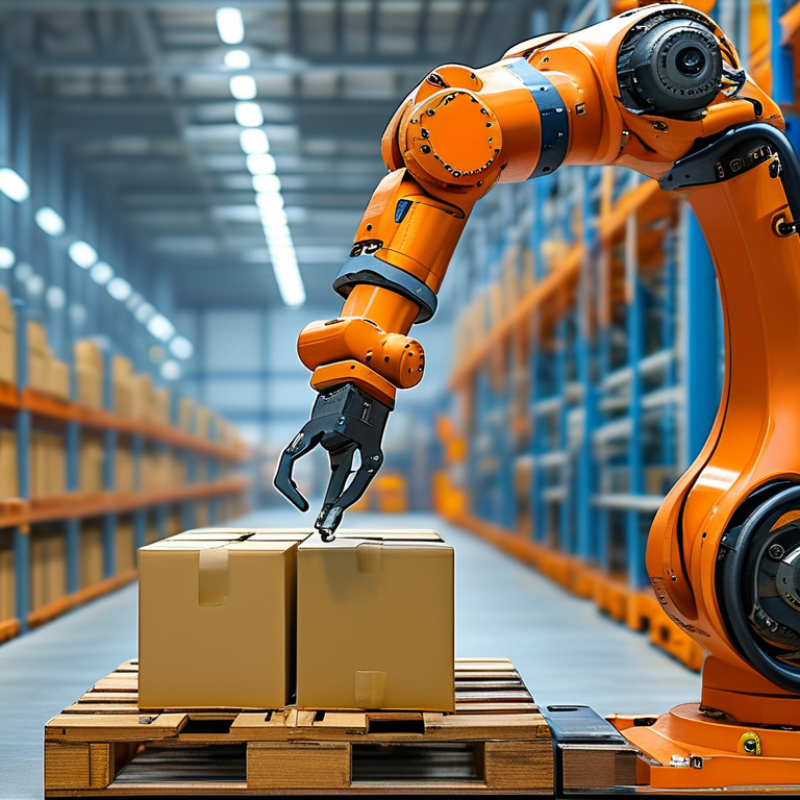
Overview of Collaborative Robot Palletizers
Collaborative robot palletizers are transforming logistics and manufacturing. These machines enhance productivity and efficiency in palletizing tasks. With their advanced sensors and user-friendly interfaces, they adapt to various product types and sizes, making them versatile solutions. These robots often work alongside human operators, creating a safer and more efficient work environment. They reduce physical strain and speed up the palletizing process.
Despite their efficiency, challenges exist. Integration into existing workflows can be complex. Companies must consider training for staff to interact safely with these robots. Furthermore, maintenance can be demanding, requiring regular check-ups to ensure reliability. Operators must be aware of potential errors, as robot misalignment can slow down production. Understanding these limitations is crucial for successful implementation.
The technology behind collaborative robot palletizers continues to evolve. Sensors and software improvements enhance accuracy and efficiency while allowing better communication between robots and humans. As companies embrace automation, the need for skilled workers to manage and maintain these systems rises. This shift creates a modern workforce and poses significant challenges for traditional roles in logistics and manufacturing.
Top 10 Collaborative Robot Palletizers
This chart illustrates the payload capacity and processing speed of various collaborative robot palletizers, enabling a quick comparison of their capabilities.
Key Features of Collaborative Robot Palletizers
Collaborative robot palletizers are transforming how industries handle packaging. Key features of these systems make them stand out in the market. For example, they often have advanced vision systems. These systems can recognize different product sizes and shapes. According to a recent report by the International Federation of Robotics, the demand for collaborative robots in logistics is projected to grow by 23% annually through 2025.
Safety is another critical component. Collaborative palletizers operate alongside human workers without complicated safety barriers. They use sensors and soft edges to minimize accidents. This accessibility increases workflow efficiency and reduces ergonomic injuries. A study from the Centers for Disease Control and Prevention highlights that reducing workplace injuries can save businesses up to $50 billion annually.
Flexibility also plays a crucial role. Many collaborative robot palletizers can be easily programmed for different tasks. This adaptability allows for quick adjustments to production lines. Notably, businesses report a 30% increase in throughput when integrating these systems. However, adaptation may require ongoing training for staff to maximize efficiency. A balance between technology and human capability remains essential for optimal operations.
Top Industries Benefiting from Robot Palletizers
The rise of robot palletizers is transforming various industries. E-commerce and logistics stand out as significant beneficiaries. According to a report by MarketsandMarkets, the global robotic palletizing market is projected to reach $3.68 billion by 2026. With fast-paced operations, businesses need efficient solutions to handle high-volume packaging and shipment processes. Collaborative robots can work alongside human workers, improving productivity without sacrificing safety.
Manufacturing is another key industry reaping the rewards of automation. Reports indicate that robotic solutions can increase output by over 20%. However, not all companies have adopted this technology. Some are hesitant due to initial costs and the perceived complexity of integration. Yet, investing in collaborative palletizers can bridge labor gaps and enhance throughput which could drive revenue growth over time.
Consider focusing on ease of use when selecting a robotic solution. Look for user-friendly interfaces that facilitate quick training for staff. Additionally, assess the flexibility of the system to handle various product types. Regular maintenance checks can prevent downtime and enhance performance. Always evaluate how these systems can scale with your business growth.
Top 10 Collaborative Robot Palletizers You Need to Know
| Robot Model | Payload Capacity (kg) | Max Speed (cycles/min) | Installation Type | Applications |
| Collaborative Robot A | 10 | 15 | Mobile | Food & Beverage |
| Collaborative Robot B | 12 | 10 | Fixed | Consumer Goods |
| Collaborative Robot C | 8 | 12 | Mobile | Pharmaceutical |
| Collaborative Robot D | 15 | 8 | Fixed | Electronics |
| Collaborative Robot E | 18 | 14 | Mobile | Packaging |
| Collaborative Robot F | 11 | 16 | Fixed | Automotive |
| Collaborative Robot G | 22 | 7 | Mobile | Construction |
| Collaborative Robot H | 25 | 5 | Fixed | Textiles |
| Collaborative Robot I | 30 | 4 | Mobile | Heavy Industry |
| Collaborative Robot J | 27 | 6 | Fixed | Aerospace |
Comparison of Leading Collaborative Robot Palletizers
In today's automation-driven world, collaborative robot palletizers are transforming packaging lines. These robots work alongside human operators. They handle repetitive tasks with precision. This reduces the physical strain on workers. However, not all palletizers are created equal. Some models excel in speed, while others prioritize safety features.
When comparing collaborative robot palletizers, key factors emerge. Payload capacity is crucial. Some robots can lift heavier items, enhancing efficiency. Flexibility in operation is another critical aspect. It determines how well a robot adapts to various sizes and shapes of products. Safety features are also non-negotiable. Robots with advanced sensors can prevent accidents, ensuring a safer working environment. The ease of programming impacts usability. User-friendly software helps operators adapt quickly.
However, challenges persist. Not every organization can seamlessly integrate these robots into existing workflows. Training staff is essential yet often overlooked. Testing functionality is necessary. Some robots may not perform as expected in real-world scenarios. Finding the right balance between automation and human intervention remains a concern. This journey of transformation is ongoing as technology evolves.
Future Trends in Collaborative Robot Palletizing Technology
The future of collaborative robot palletizing technology looks promising. As automation becomes more integral to supply chains, collaborative robots (cobots) are shaping how products are packaged and handled. These robots work alongside human workers, enhancing efficiency without compromising safety. They can adapt to various tasks quickly, learning from human input in real-time.
Emerging trends indicate a push towards more advanced artificial intelligence in cobots. This technology enables robots to recognize different products and adjust their movements accordingly. Enhanced sensory capabilities allow them to navigate complex environments and avoid hazards. However, there are challenges. The integration of AI requires careful programming and continuous updates. Ensuring that cobots seamlessly work with existing systems is not always straightforward.
Moreover, as collaborative robots evolve, their software must keep pace. Companies are exploring cloud computing for real-time data analysis. This approach can improve productivity but raises concerns about data privacy and security. Balancing innovation with ethical considerations is essential. The next wave of cobot technology promises efficiency but necessitates thoughtful implementation.