Understanding Lockable Ball Valves: Key Features and Industry Insights Shaping Fluid Control Systems
In the ever-evolving landscape of fluid control systems, the lockable ball valve emerges as a critical component, enhancing safety and reliability across various industries.
According to a recent market analysis by Research and Markets, the global ball valve market is projected to reach USD 13.9 billion by 2026, with a significant growth driven by stringent safety regulations and the increasing adoption of automation in process industries.
The lockable ball valve, known for its ability to prevent unauthorized access and ensure operational integrity, is becoming essential, particularly in sectors like oil and gas, water treatment, and chemicals.
As industries continue to prioritize safety and efficiency, understanding the key features and applications of lockable ball valves is paramount for engineers and decision-makers aiming to optimize their fluid control systems.
Key Characteristics of Lockable Ball Valves You Need to Know
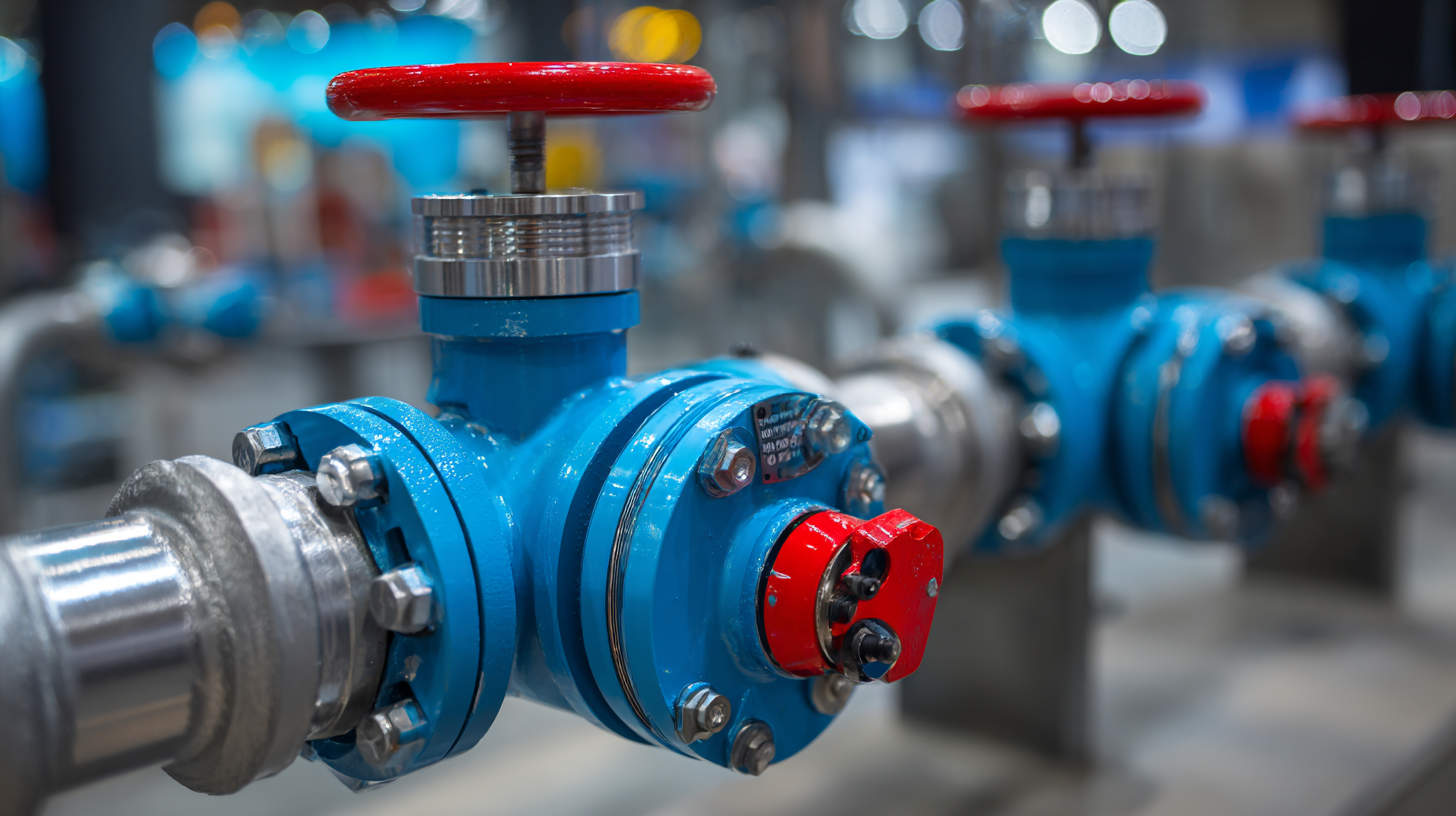
Lockable ball valves are essential components in fluid control systems, designed for both efficiency and safety. One of the key characteristics of these valves is their locking mechanism, which ensures that the valve remains in the desired open or closed position, preventing accidental operation. This feature is particularly vital in high-pressure systems where unintended flow could pose serious risks. The design often includes a simple yet effective locking lever that can be secured with a padlock or latch, adding an extra layer of security.
Another important aspect of lockable ball valves is their versatility. They are available in a variety of sizes and materials, allowing for use in diverse applications ranging from water distribution to chemical processing. The smooth, spherical design of the ball allows for minimal turbulence and pressure loss, making them highly efficient for controlling fluid flow. Additionally, many of these valves offer easy maintenance and durability, often rated for high temperatures and corrosive environments, thereby extending their operational lifespan in demanding industrial settings.
Understanding Lockable Ball Valves: Key Features and Industry Insights Shaping Fluid Control Systems
| Feature |
Description |
Industry Application |
Material |
Size Range (inches) |
| Locking Mechanism |
Provides fluid control and prevents unauthorized access. |
Water Treatment, Oil and Gas |
Stainless Steel |
1" to 6" |
| Corrosion Resistance |
Suitable for harsh environments and chemical exposure. |
Pharmaceuticals, Chemical Processing |
PVC, CPVC |
¾" to 4" |
| Quick Operation |
Allows for rapid open and close without extra effort. |
Food and Beverage, HVAC |
Brass, Bronze |
½" to 8" |
| Seal Integrity |
Ensures long-lasting performance with minimal leaks. |
Mining, Wastewater |
Teflon, EPDM |
1" to 10" |
Step-by-Step Guide to Selecting the Right Lockable Ball Valve
When selecting the right lockable ball valve for fluid control systems, several critical factors must be considered to ensure optimal performance and safety. Firstly, understanding the valve's application environment is crucial. According to a report from the Global Valve Market Analysis, the demand for lockable ball valves in oil and gas sectors is projected to grow by 7% annually due to increasing safety regulations and the need for reliable fluid management. The valve material, whether brass, stainless steel, or plastic, should match the fluid characteristics and operating conditions to avoid corrosion and ensure longevity.
Another key aspect involves examining the valve's locking mechanism, which is essential for preventing accidental opening or closing during operation. A study by the Valve Manufacturers Association highlighted that 30% of reported incidents in fluid systems are linked to unintended valve actions. Therefore, choosing a lockable ball valve with a robust locking feature enhances safety protocols within industrial settings. Additionally, evaluating the valve's ease of maintenance and compatibility with existing systems is vital. By adhering to these guidelines, operators can significantly enhance the reliability and efficiency of their fluid control systems.
How Lockable Ball Valves Enhance Safety in Fluid Control Systems
Lockable ball valves play a crucial role in enhancing safety within fluid control systems. These valves are designed with a locking mechanism that ensures they can be securely closed, preventing accidental or unauthorized operation. This feature is especially critical in high-pressure applications where unintentional valve movement could lead to hazardous leaks or spills. By incorporating a lockable mechanism, operators can ensure that the valve remains in the desired position, reducing the risk of accidents and ensuring compliance with safety protocols.
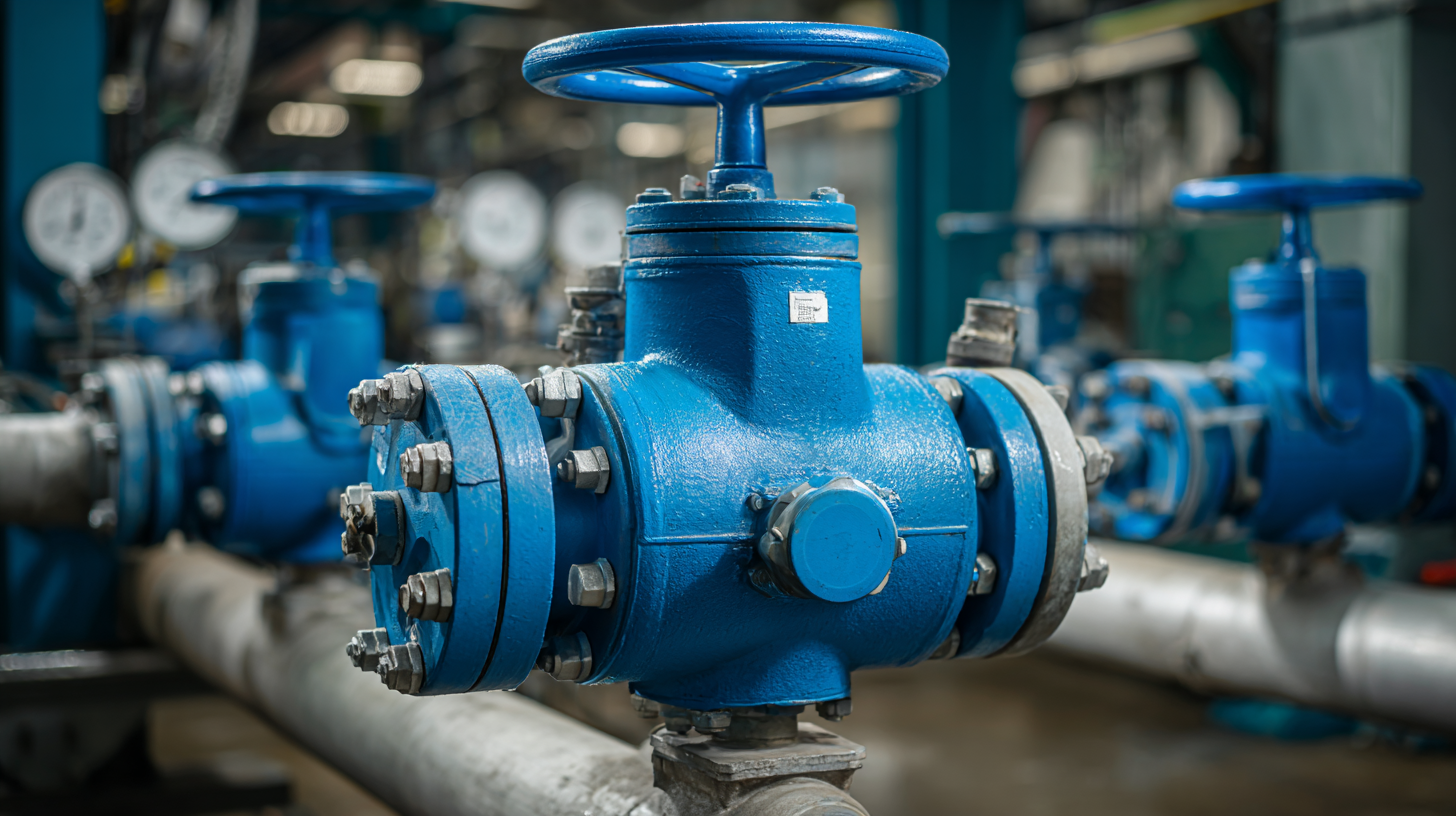
In addition to their safety benefits, lockable ball valves also contribute to operational efficiency. They can be easily integrated into automated systems, allowing for seamless control of fluid flow while maintaining a locked state when necessary. This capability not only enhances safety but also optimizes maintenance routines, as technicians can work confidently, knowing that the system is securely locked during service intervals.
Overall, the integration of lockable ball valves into fluid control systems represents a significant advancement in safety and reliability, making them an essential component in various industrial applications.
Industry Applications of Lockable Ball Valves: A Comprehensive Overview
Lockable ball valves play a crucial role in various industries, providing a reliable solution for controlling fluid flow. These valves are equipped with a locking mechanism that ensures the valve remains securely in its position, preventing accidental manipulation. This feature is particularly vital in sectors such as oil and gas, where safety and precision are paramount. In these applications, lockable ball valves help maintain operational integrity and compliance with stringent safety regulations.
In addition to the oil and gas industry, lockable ball valves find extensive use in water treatment facilities, food and beverage production, and pharmaceutical manufacturing. In water treatment, the ability to lock the valve provides assurance that critical systems remain operational during maintenance. Similarly, in the food and beverage industry, these valves are essential for safeguarding the hygiene and safety of products. The pharmaceutical sector values lockable ball valves for their reliability in critical processes, where contamination can lead to significant risks. Overall, the versatility and safety features of lockable ball valves make them a preferred choice across multiple industry applications.
Maintenance Tips for Ensuring Longevity of Lockable Ball Valves
Maintaining lockable ball valves is essential to ensure their optimal performance and longevity in fluid control systems. Regular inspections should be conducted to identify any signs of wear or damage. It’s crucial to check for leaks, corrosion, or obstruction in the valve as even minor issues can lead to significant operational failures. Cleaning the valve and its surrounding areas helps prevent the buildup of debris and ensures smooth operation.
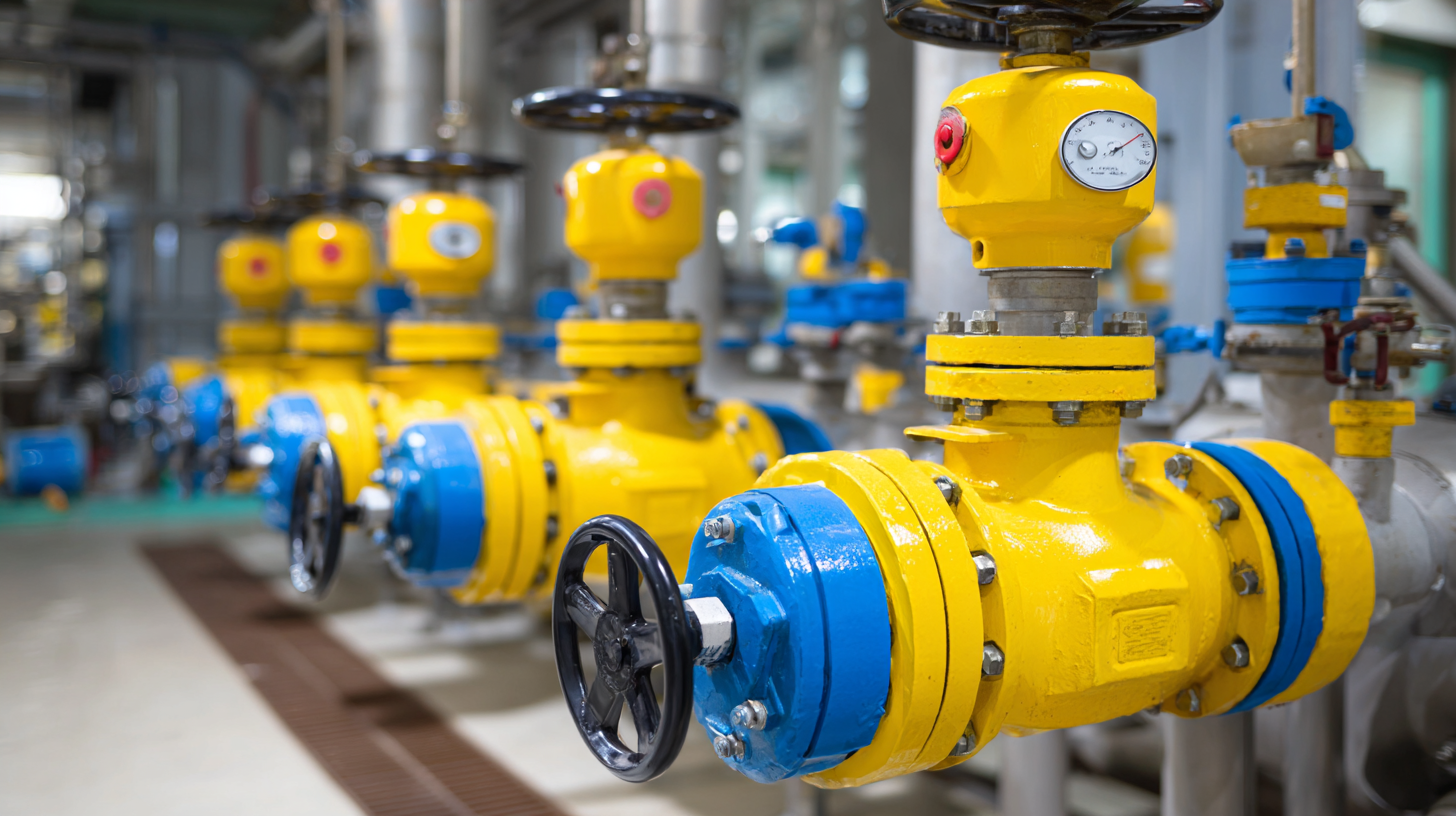
Another important maintenance tip is to lubricate the valve’s moving parts regularly. This reduces friction and minimizes wear over time, enhancing the valve's functionality. Operators should also pay attention to the locking mechanisms, ensuring they engage smoothly and securely. Additionally, it’s advisable to follow the manufacturer’s guidelines for maintenance schedules and procedures, which can vary based on the service conditions and the specific type of lockable ball valve in use. Regular maintenance not only extends the lifespan of the valve but also contributes to the overall efficiency and safety of the fluid control system.