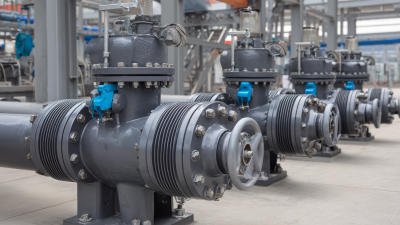
Understanding the Role of Check Valves in Fluid Control Systems for Enhanced Efficiency
The role of check valves in fluid control systems is crucial for enhancing operational efficiency across various industries, including oil and gas, water treatment, and chemical processing. According to a report by MarketsandMarkets, the global check valve market is projected to reach USD 15.4 billion by 2025, reflecting the increasing demand for reliable fluid management solutions. Check valves are designed to prevent backflow, ensuring that fluids move in one direction, which is essential for maintaining system integrity and efficiency.
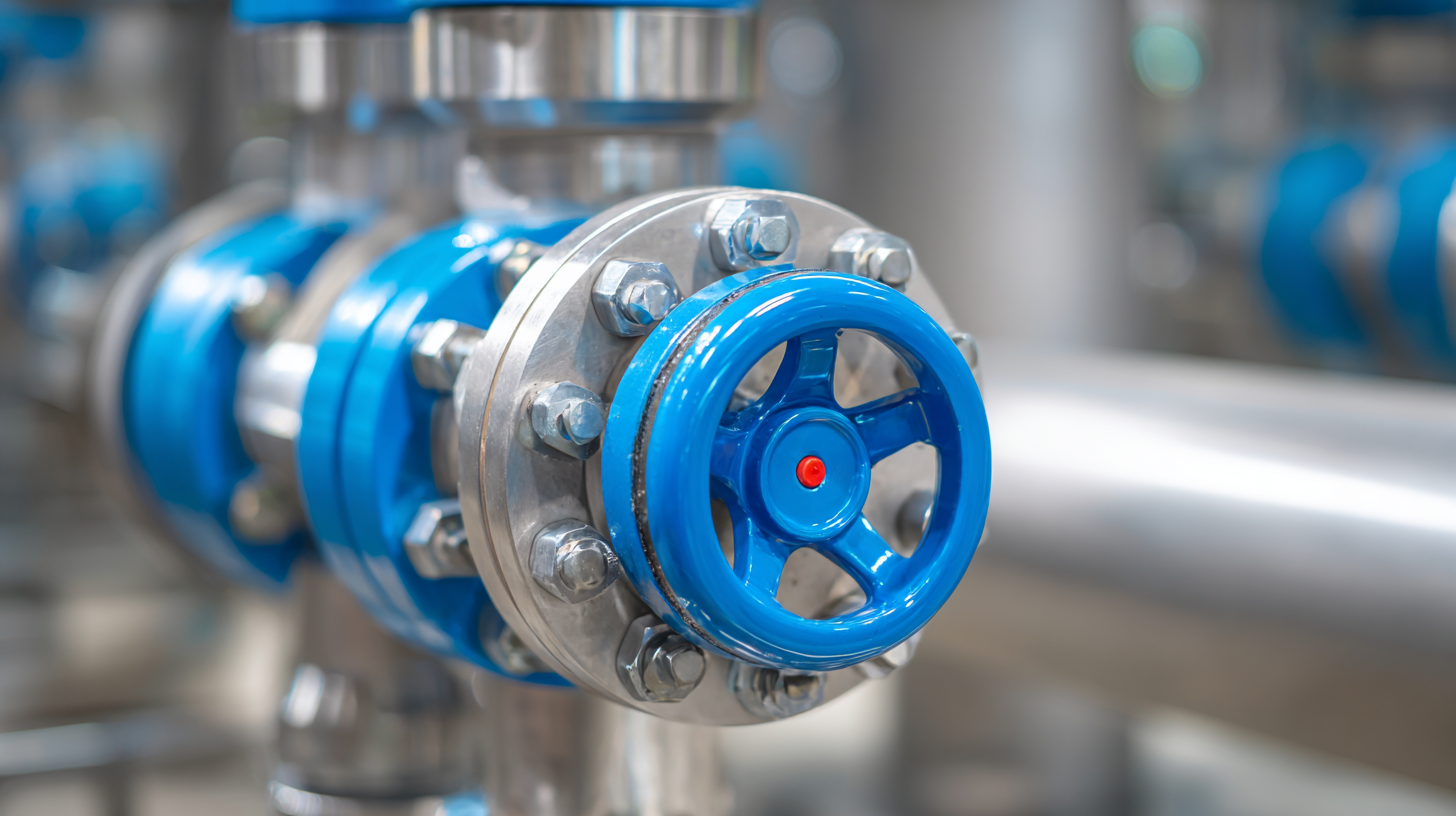 With advancements in materials and technology, modern check valves offer improved performance and durability, further solidifying their role in preventing costly downtime and maintenance. As industries continue to seek methods to optimize their processes, understanding the function and benefits of check valves becomes increasingly important for engineers and decision-makers aiming to implement efficient fluid control strategies.
The Importance of Check Valves in Fluid Movement Optimization
Check valves play a crucial role in optimizing fluid movement within various systems by ensuring the controlled passage of fluids while preventing backflow. According to a report from the Fluid Control Association, implementing high-quality check valves can enhance system efficiency by upwards of 20%. This is particularly significant in industries where fluid control is critical, such as chemical processing, water treatment, and HVAC systems. By maintaining consistent flow direction, check valves help to reduce energy losses and promote effective fluid distribution throughout the system.
**Tips:** When selecting check valves for your system, consider not only the size and pressure ratings but also the material compatibility with the fluids being handled. This will prevent leaks and ensure longevity. Additionally, regular maintenance and inspections can help identify wear or damage early, allowing for timely replacements that keep your fluid control system operating at peak performance.
Moreover, the integration of advanced designs, such as spring-loaded or lift-type check valves, can lead to a significant reduction in pressure drops, further enhancing system efficiency. Studies suggest that optimizing these components leads to cost savings over time, translating into improved bottom lines for businesses. Efficient fluid movement is essential in reducing operational costs and increasing reliability, making check valves an indispensable element of fluid control systems.
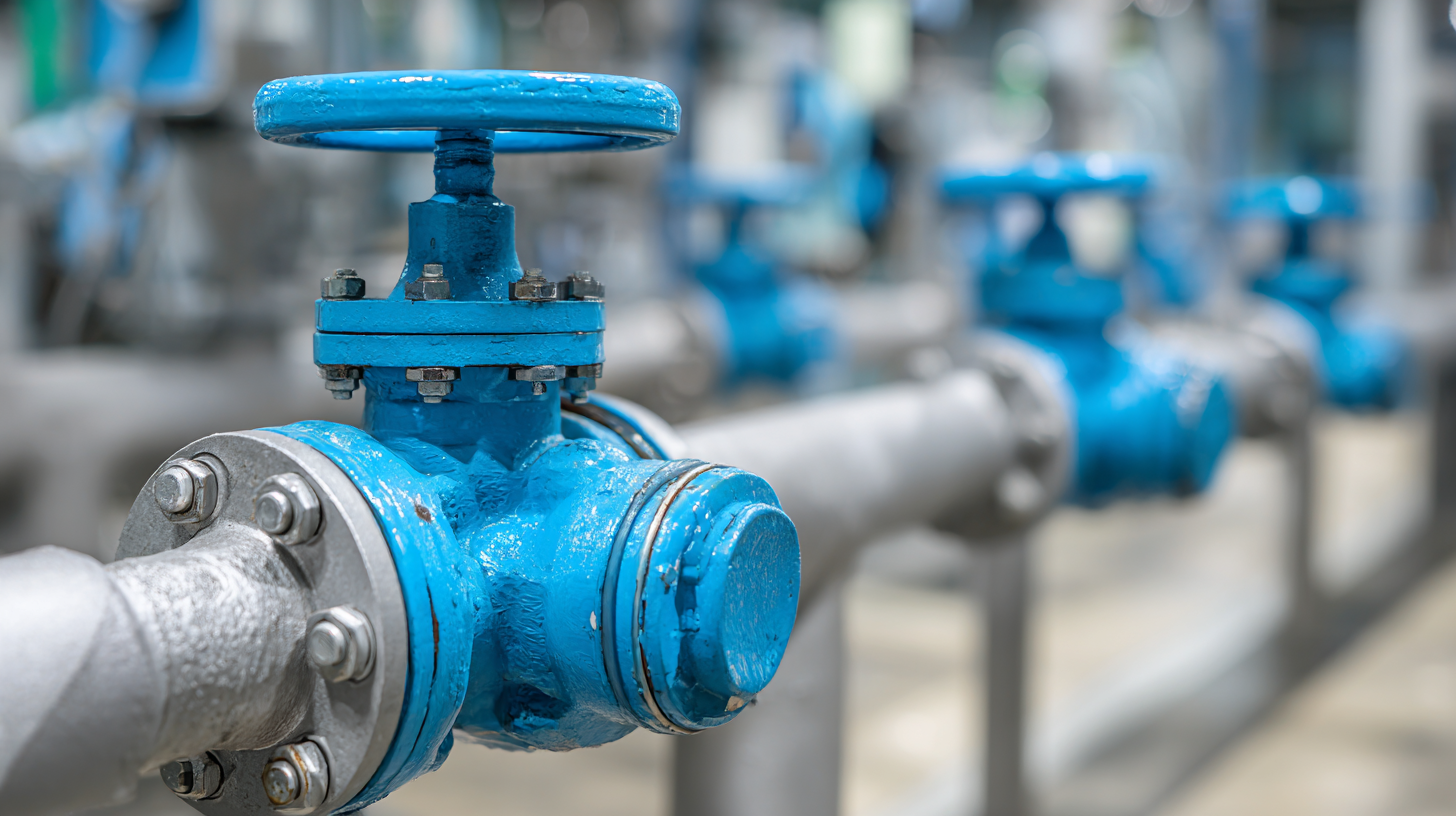
Key Benefits of Implementing Check Valves in Various Applications
Check valves play a crucial role in enhancing efficiency across various fluid control systems. One of the key benefits of implementing check valves is their ability to prevent backflow, which can lead to significant energy losses. According to a report by the Hydraulic Institute, systems that integrate check valves can achieve energy savings of up to 20% by minimizing the risk of backflow and maintaining optimal fluid flow direction. This is particularly essential in applications such as water distribution and process industries, where operational efficiency is closely linked to system design.
Additionally, check valves contribute to system reliability by protecting against pressure fluctuations. In sectors like oil and gas, where fluid dynamics can be unpredictable, the presence of a check valve can mitigate risks associated with water hammer and hydraulic shock. A study by the American Society of Mechanical Engineers (ASME) highlights that using check valves effectively can reduce maintenance costs by up to 15%, thus providing a long-term return on investment.
Tips: Ensure that the check valves you select are compatible with the specific fluid types in your system. Regular inspection and maintenance of these components are vital to sustain their performance. Finally, consider the size and flow rate specifications of the check valves to optimize overall system efficiency.
Understanding the Role of Check Valves in Fluid Control Systems for Enhanced Efficiency
| Application |
Type of Check Valve |
Key Benefits |
Efficiency Improvement (%) |
| Water Supply Systems |
Swing Check Valve |
Prevents backflow, reduces energy loss |
20 |
| Oil and Gas Pipelines |
Dual Plate Check Valve |
Minimizes pressure drop, enhances flow stability |
15 |
| HVAC Systems |
Spring Loaded Check Valve |
Ensures one-way flow, boosts system efficiency |
18 |
| Chemical Processing |
Lift Check Valve |
Protects equipment, decreases maintenance costs |
25 |
| Wastewater Treatment |
Ball Check Valve |
Reduces clogging risk, enhances flow control |
22 |
Types of Check Valves and Their Efficiency in Fluid Control Systems
Check valves play a crucial role in fluid control systems by ensuring that flow only travels in one direction, preventing backflow that can cause inefficiencies and damage.
There are several types of check valves, each tailored for specific applications and operational environments. Among the most common are swing check valves, which utilize a hinged disc to allow fluid to pass through in one direction while closing off when flow reverses, and lift check valves, which feature a moving disc that is lifted off its seat during forward flow.
Another important type is the diaphragm check valve. This design employs a flexible diaphragm to open and close the flow path, offering high reliability and performance for applications involving corrosive fluids or varying pressure conditions. Each type of check valve presents distinct advantages concerning efficiency, such as minimizing pressure drops and reducing the risk of system failure.
Understanding these types and their respective efficiencies is essential for engineers and operators who aim to optimize fluid control systems and enhance overall operational performance.
Common Challenges in Fluid Systems and How Check Valves Address Them
Fluid systems are essential in various industrial applications, but they often face challenges such as backflow, pressure fluctuations, and system inefficiencies. One of the primary issues is the occurrence of backflow, where fluid reverses direction in a system, potentially leading to contamination and operational inefficiencies. This can cause equipment damage and increased maintenance costs, making it crucial to implement effective solutions.
Check valves play a vital role in addressing these challenges. By permitting fluid flow in one direction and preventing backflow, they safeguard the integrity of the system. Additionally, check valves help maintain consistent pressure levels by closing during events of pressure drop or reverse flow, thus protecting sensitive components and enhancing overall system efficiency. Their ability to minimize energy loss during operation while ensuring reliability makes them indispensable in fluid control systems.
Future Innovations in Check Valve Technology for Performance Enhancement
The world of check valve technology is evolving rapidly, with innovations aimed at enhancing performance and efficiency in fluid control systems. Advanced materials such as polymer composites are being introduced to reduce corrosion and wear, thus extending the lifespan of these critical components. Furthermore, smart check valves equipped with sensors can now provide real-time data on flow rates and pressure, allowing for more precise control and monitoring within various applications.
Tip: When considering check valves for your system, look for models that incorporate smart technology to gain insights into system performance and potential issues before they escalate.
Another significant trend is the move towards modular designs, allowing for easier maintenance and customization. These designs can simplify the installation process and reduce downtime, which is crucial in industries where fluid control is vital for operations. The integration of automation in the production of check valves is also paving the way for greater reliability and cost savings.
Tip: Regular maintenance checks on your check valves can enhance their efficiency and prevent costly system failures, so schedule routine inspections as part of your upkeep plan.