
2026 Best Electric Gate Valve Types for Global Buyers?

Choosing the right Electric Gate Valve in 2026 requires more than comparing prices, actuator brands, or catalogue photographs. Global buyers now face stricter efficiency expectations, aging pipelines, remote monitoring demands, and complicated supply chains. MarketsandMarkets reports continued growth in the industrial valves market, driven by water infrastructure, energy projects, and process industries. Grand View Research also identifies automation and smart actuation as important market trends.

The numbers look encouraging.

However, forecasts vary by research firm and should not replace engineering judgment. Process temperature, pressure class, media composition, pipe size, installation climate, and maintenance access must guide every selection. API 600, API 603, ASME B16.34, and ISO 5210 provide useful technical references for many industrial applications. Buyers should still verify the latest editions and project-specific requirements.

Greg Johnson, a recognized valve industry consultant and author, offers a practical reminder: “Valve selection must begin with the process, not the product.” That principle remains highly relevant. A stainless-steel gate valve may suit corrosive water, while a resilient-seated design may perform better in municipal service. A motorized actuator also needs correct torque, travel limits, ingress protection, and emergency operation settings.

Small details matter.

This guide examines the best Electric Gate Valve types for global buyers in 2026. It compares wedge, parallel-slide, resilient-seated, and specialized designs. It also considers certification, lifecycle cost, supplier experience, spare parts, testing records, and after-sales support. Some recommendations may appear obvious. They are not always easy in the field. A valve that performs well in a clean workshop can fail early beside salt air, abrasive slurry, or unstable power.
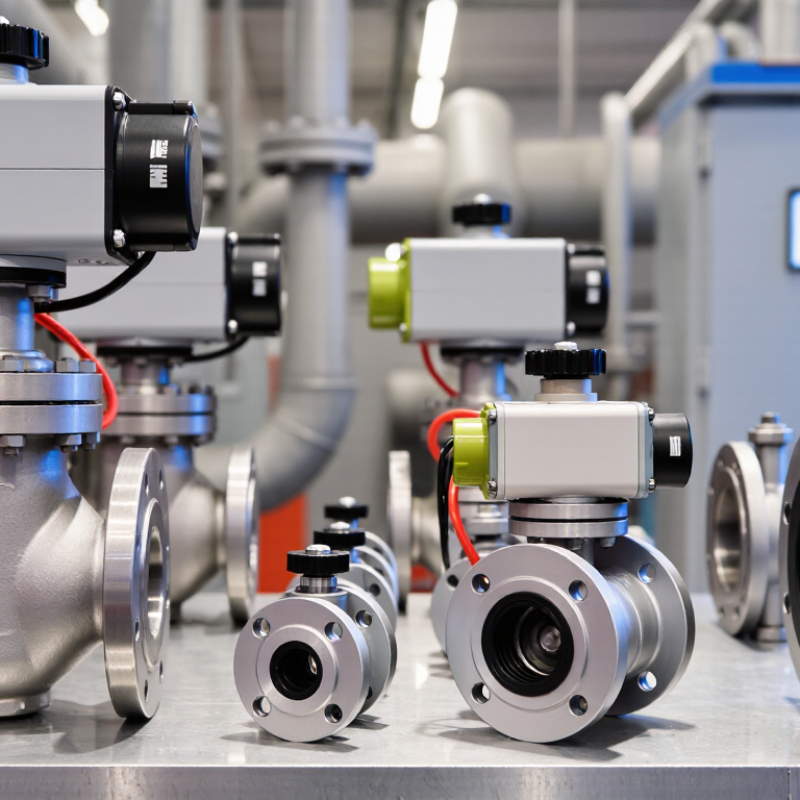
2026 Best Electric Gate Valve Types for Global Buyers?

Electric Gate Valve Fundamentals and Operating Mechanisms

2026 Best Electric Gate Valve Types for Global Buyers?

Electric Gate Valve Fundamentals and Operating Mechanisms

Electric gate valves use a motorized actuator to move a gate vertically through the valve body. The motor turns a gearbox, which transfers torque to the stem. A rising stem shows movement clearly, while a non-rising stem saves installation space. Wedge gates normally provide tight shutoff. Parallel gates can suit certain thermal and industrial services. The IEA Electricity 2024 report forecasts global electricity demand to grow by about 3.4% annually through 2026. That growth increases demand for dependable remote isolation.

They are isolation devices, not precision throttling valves. Partial opening may create vibration, seat damage, and unstable flow. Limit switches stop travel at open and closed positions. Torque switches protect the actuator when debris blocks the gate. Manual override remains valuable during power loss. It is a small feature with large consequences. IEC 60529 enclosure ratings help buyers compare protection against dust and water. However, an IP rating does not confirm corrosion resistance or correct motor sizing.

Selection should match pressure class, temperature, media, stem design, and switching frequency. ISO 5210 provides dimensional guidance for multi-turn actuator connections. ASME B16.34 supports pressure-temperature and valve construction requirements. A practical mistake is choosing by pipe size alone. Large valves may need high starting torque, especially after long idle periods. Field experience also shows that cable glands, grounding, and control logic deserve early attention. The actuator may be correctly sized, yet the installation still fails. That detail is often overlooked.

Main Electric Gate Valve Types and Their Design Differences

2026 Best Electric Gate Valve Types for Global Buyers?

Main Electric Gate Valve Types and Their Design Differences

Electric gate valves are not one universal design. Wedge gate valves use a solid or flexible wedge to press against two seats. They provide reliable shutoff in water, oil, and general process lines. However, thermal expansion can cause wedge binding. This risk deserves attention.

Parallel slide gate valves use parallel discs and springs or pressure-assisted sealing. Their design handles some high-temperature and high-pressure duties effectively. They usually need less wedging force than conventional valves. Knife gate valves use a thin blade-like gate. They suit slurry, powder, and fibrous media, but many models are unsuitable for high-pressure service. The wrong selection can fail quickly.

Stem design also changes installation needs. Rising-stem valves show gate position clearly during inspection. They require extra vertical clearance above the pipeline. Non-rising-stem valves save space, but internal stem corrosion becomes harder to notice. Electric actuators add further choices, including torque rating, duty cycle, manual override, enclosure protection, and emergency operating position. Check voltage and control signals carefully. Small details matter. A practical buyer should compare media temperature, pressure, pipe size, cycling frequency, and ambient conditions. Review seat materials and actuator limits together, not separately. No design is perfect. A compact valve may simplify installation but complicate maintenance later. Clearance drawings, test records, and service instructions can reveal weaknesses before shipment.

2026 Best Electric Gate Valve Types for Global Buyers

Main electric gate valve designs differ mainly in their closure mechanism, sealing material, stem arrangement, and pressure-temperature capability. The chart shows representative ASME pressure-class spans commonly specified for each design. Actual limits depend on body material, trim, seat construction, temperature, and applicable standards.

Resilient-Wedge: Elastomeric seating provides tight shutoff and is widely used for water and utility services at moderate temperatures.
Metal-Seated Wedge: Metal-to-metal seating is preferred for higher pressure, higher temperature, and demanding industrial services.
Parallel-Slide: Parallel discs reduce wedging during thermal cycling and are commonly selected for steam and high-temperature isolation.
Slab Gate: A full-bore passage supports pipeline isolation with low pressure loss and effective pigging compatibility.
Expanding Gate: Mechanical expansion can provide bidirectional sealing and high-integrity isolation in specialized services.

Electric actuator sizing should be based on required torque or thrust, differential pressure, cycle frequency, fail-position requirements, enclosure rating, and the valve’s certified operating conditions.

How to Select the Best Valve for Different Applications

2026 Best Electric Gate Valve Types for Global Buyers?

Selecting the best electric gate valve begins with the application, not the actuator. Identify the fluid, pressure, temperature, pipe size, and operating frequency. Clean water systems often need resilient sealing and corrosion-resistant body materials. Industrial cooling lines may require stronger housings and reliable position feedback. Keep it practical.

Wastewater applications can contain solids, fibers, and abrasive particles. A rising-stem gate valve may offer easier visual confirmation during inspection. For steam or high-temperature service, confirm the valve’s pressure-temperature rating carefully. Standard designs may fail when thermal expansion is ignored. This is a common mistake.

The actuator should match the valve’s torque requirement, travel time, and duty cycle. Check available voltage before ordering, especially for remote sites. Outdoor installations usually need suitable enclosure protection against rain, dust, and condensation. Consider manual override access during power loss. A fail-safe function may be essential for some processes, but not every line needs it. Over-specification increases cost and maintenance.

During commissioning, technicians should verify full opening, full closing, limit settings, and emergency operation. Record measured torque and unusual noise. These details support reliable maintenance later. International buyers should review applicable pressure, electrical, and material standards with qualified engineers. Product documents are useful, but field conditions sometimes reveal gaps. A valve that looks correct on paper may still be poorly matched to the pipeline.

2026 Best Electric Gate Valve Types for Global Buyers? - How to Select the Best Valve for Different Applications

Electric Gate Valve Type Typical Nominal Size Typical Pressure Rating Typical Temperature Range Suitable Media Best-Fit Applications Main Advantages Important Limitations Electric Actuator Selection Notes
Resilient-Seated Wedge Gate Valve DN50–DN1200 PN10, PN16; selected designs up to PN25 Approximately 0–80°C, depending on seat material Potable water, raw water, irrigation water, treated wastewater Municipal water networks, water treatment plants, fire-water systems, irrigation pipelines Low operating torque, bubble-tight shutoff when correctly selected, corrosion-resistant coated body options, full-bore flow path Not intended for throttling; elastomer seat compatibility limits temperature and chemical resistance Select an actuator with sufficient closing torque for pressure differential and account for increased torque after long periods without operation
Metal-Seated Wedge Gate Valve DN50–DN1000 PN16–PN63 or ASME Class 150–300, depending on design Approximately −29–200°C; higher temperatures require material-specific verification Water, steam, hydrocarbons, process fluids, non-abrasive gases Power plants, refineries, industrial process lines, high-temperature utility systems Better temperature resistance than resilient seats, robust shutoff elements, suitable for demanding industrial service May permit minor leakage depending on seat class; vulnerable to abrasive particles and incorrect seating operation Use torque data for the actual pressure, temperature, trim, and differential-pressure conditions; include a safety margin recommended by the valve manufacturer
Parallel-Slide Gate Valve DN50–DN1000 ASME Class 150–600; PN16–PN100 in selected designs Approximately −29–450°C, subject to body, disc, seat, and packing materials Steam, boiler feedwater, hydrocarbons, fuel gas, process fluids Steam generation, power generation, oil and gas processing, high-temperature process isolation Suitable for high-temperature isolation, reduced wedging forces, commonly used where thermal expansion is significant Not a throttling valve; sealing performance depends on pressure direction, seat design, and operating conditions Check actuator thrust as well as torque, especially for large valves, high differential pressure, and steam-service thermal cycles
Rising-Stem Wedge Gate Valve DN50–DN1000 PN16–PN63 or ASME Class 150–600 Approximately −29–200°C for common industrial materials Water, steam, oil, gas, and general process fluids Above-ground pipelines where valve position indication and easy maintenance are priorities Visible stem position, straightforward inspection, generally good isolation performance Requires sufficient vertical clearance; the exposed stem needs protection from impact, corrosion, and contamination Confirm actuator mounting height, stem travel, limit-switch setting, and available overhead space before purchase
Non-Rising-Stem Gate Valve DN50–DN1200 PN10–PN25; higher ratings are available in selected industrial designs Approximately 0–80°C for common resilient-seated water designs Water and compatible low-temperature utility fluids Buried water pipelines, valve chambers, compact installations, underground distribution systems Compact installation height, suitable for confined spaces, commonly available with buried-service accessories Stem position is not visually obvious; stem threads may be exposed to the line medium and require suitable protection Use a weatherproof or buried-service actuator arrangement and verify stem nut compatibility, extension length, and position indication
Knife Gate Valve DN50–DN1600 Typically PN6–PN16; pressure rating varies significantly by body and seat design Approximately 0–110°C for common elastomer-seated designs Pulp stock, slurries, wastewater, powders, dry bulk solids, fibrous fluids Pulp and paper, mining, mineral processing, wastewater treatment, bulk-material handling Thin wafer or lug body, effective for fluids containing solids, relatively low installation weight Often unsuitable for high-pressure clean-fluid service; seat wear, leakage, and abrasive damage must be evaluated Select actuator thrust and travel for solids service; consider flushing ports, stem protection, and fail-position requirements
Forged High-Pressure Gate Valve DN15–DN100 ASME Class 600–2500 Approximately −29–500°C, depending on pressure class and material Steam, high-pressure water, oil, gas, and process fluids Power stations, high-pressure manifolds, oil and gas facilities, boiler and process piping High pressure capability, compact forged body, strong pressure-boundary integrity Higher purchase and maintenance cost; actuator sizing can be demanding because of high seating and unseating loads Require documented torque or thrust curves at operating temperature and pressure; verify actuator duty cycle for frequent operation
Cryogenic Extended-Bonnet Gate Valve DN15–DN600 ASME Class 150–600 or equivalent pressure ratings Approximately −196–−29°C, subject to tested materials and service medium Liquid nitrogen, liquid oxygen, LNG, liquid argon, and other cryogenic fluids Gas separation, LNG facilities, cryogenic storage, industrial-gas distribution Extended bonnet protects packing from extreme cold and supports controlled heat transfer away from the valve seat Requires strict material compatibility, cleanliness, orientation, and low-temperature testing; oxygen service requires special preparation Use an actuator rated for the ambient environment and valve operating torque; verify insulation clearance and emergency shutdown requirements
Fire-Safe Industrial Gate Valve DN50–DN1000 ASME Class 150–600 or PN16–PN63 Approximately −29–200°C in normal service; fire-test qualification is design-specific Hydrocarbons, fuels, natural gas, steam, and process fluids Refineries, petrochemical plants, terminals, tank farms, and hazardous-area process systems Designed to maintain pressure-boundary integrity and controlled leakage performance after fire exposure when properly tested Fire-safe construction does not eliminate the need for emergency isolation, hazardous-area certification, or correct installation Specify actuator enclosure, electrical protection, local controls, and fail-safe requirements according to the site hazardous-area classification
Buried-Service Electric Gate Valve DN50–DN1200 PN10–PN25 for common water-network designs Approximately 0–80°C for typical water service Potable water, irrigation water, raw water, and wastewater where materials are compatible Underground distribution networks, remote pipelines, smart water infrastructure Remote operation, reduced access requirements, compatibility with supervisory control systems when properly equipped Installation must protect electrical components from flooding, soil movement, corrosion, and unauthorized access Confirm IP protection, submersible rating where required, cable routing, manual override, and remote position feedback
Selection reference: Pressure, temperature, size, end connection, body and trim materials, seat material, flow medium, installation orientation, required shutoff class, actuator torque or thrust, duty cycle, enclosure protection, control signal, and local regulations should all be confirmed before ordering. Gate valves are normally intended for fully open or fully closed isolation rather than continuous throttling.

Global Standards, Materials, Ratings, and Compatibility Factors

2026 Best Electric Gate Valve Types for Global Buyers?

Global buyers should match the valve design with the service, not only the purchase price. Rising-stem valves provide visible position feedback. Non-rising stems suit compact spaces. Wedge gates handle many isolation duties, while parallel gates may perform better in selected thermal systems. Electric actuators should support the required torque, duty cycle, and control signal.

Standards require careful comparison. Check ISO, API, EN, ASME, IEC, and local conformity requirements for the target market. Flange drilling, face-to-face dimensions, pressure class, and testing procedures must align. A valve rated PN16 may not match a Class 150 system. Similar labels can still hide major dimensional differences.

Material selection depends on pressure, temperature, and fluid chemistry. Ductile iron suits many water applications. Carbon steel supports demanding industrial services. Stainless steel offers stronger corrosion resistance, but it is not universally suitable. Seat materials also matter. Resilient seats reduce leakage in clean water, while metal seats tolerate higher temperatures and abrasive particles.

Verify the actuator voltage before shipment. Confirm enclosure protection for outdoor installation. IP ratings help, but cable entries and mounting orientation also affect reliability. The valve is usually for isolation, not continuous throttling. That detail is often missed. A complete review should include torque margins, emergency operation, wiring diagrams, spare parts, and site testing. Datasheets can appear complete yet omit regional flange details, so buyers should request certified drawings and current test records.

Installation, Automation, Maintenance, and 2026 Buying Considerations

2026 Best Electric Gate Valve Types for Global Buyers?

Electric gate valves suit pipelines that need reliable isolation rather than frequent throttling. Rising-stem designs provide visible position feedback. Non-rising-stem models save space in underground chambers. Wedge gates handle many water and utility applications, while resilient-seated designs tolerate small debris better. Selection depends on pressure, temperature, media, pipe size, and operating frequency. A valve that works well on clean water may fail early in abrasive slurry.

Installation demands careful alignment. Uneven pipe loads can distort the body and increase motor torque. Keep the actuator accessible for inspection, and protect outdoor units from flooding. Confirm voltage, phase, enclosure rating, manual override, and travel limits before wiring. Automation may include remote open-close signals, position feedback, torque alarms, and emergency shutdown logic. Test every signal locally before connecting the valve to a wider control system. Simple systems are often safer.

Maintenance should include quarterly visual checks, terminal inspection, stem cleaning, and a functional travel test. In cold climates, inspect heaters and condensation protection. In dusty areas, clean actuator vents without forcing debris inside. Record opening time, current draw, and unusual noise. Small changes matter. Buyers should request certified test documents, material data, spare-part availability, and clear warranty terms. Check local electrical and pressure regulations before purchase. A lower initial price can hide difficult installation, but the most expensive option is not automatically the most reliable. Some specifications remain uncertain until the valve meets the real pipeline.

Article Source:

keep me informed

Subscribe

By clicking SEND means that you agree to our Terms & Conditions, Privacy and Cookie Policies.